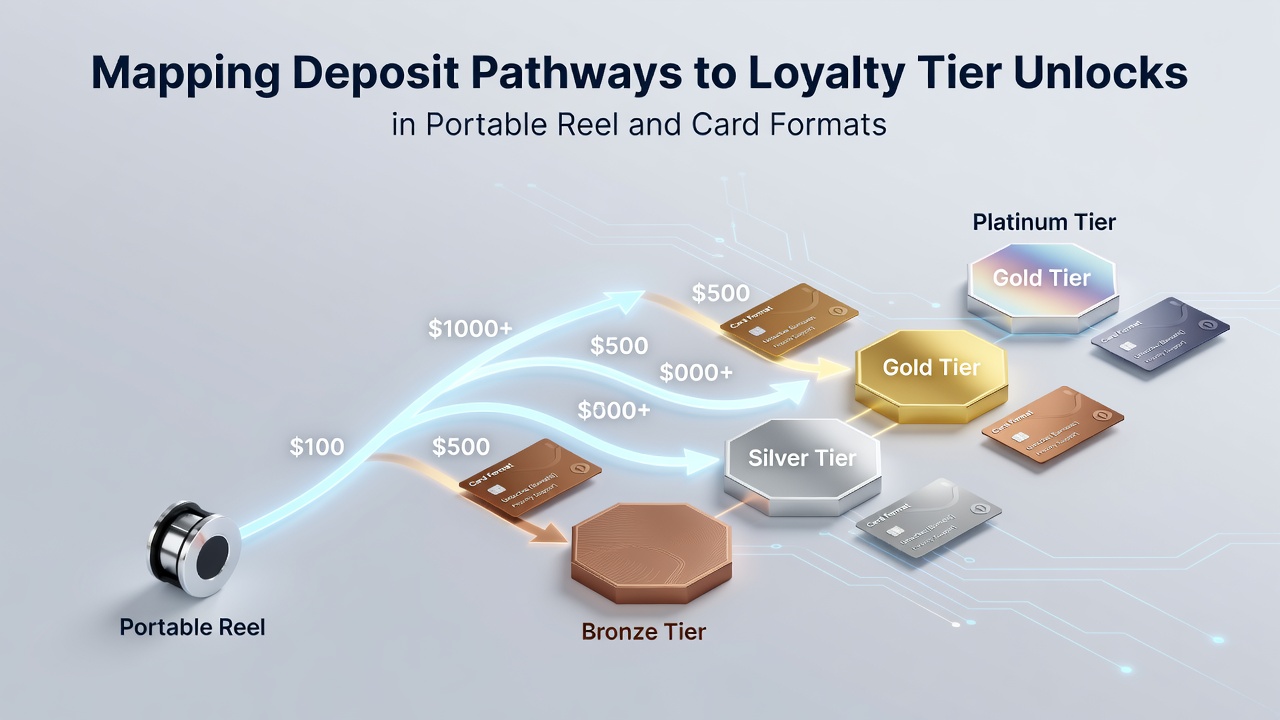
Mapping Deposit Pathways to Loyalty Tier Unlocks in Portable Reel and Card Formats
Portable reel formats and card formats have developed distinct yet overlapping systems that connect deposit activity directly to loyalty tier progression, and operators track these movements through layered tracking mechanisms that record transaction volume, frequency, and game category participation. Research from industry data providers shows that reel-based titles such as video slots often require lower per-deposit thresholds to advance tiers compared with card formats, yet card formats accumulate points at higher multipliers once players reach mid-level tiers because table game margins and session lengths differ from reel sessions.
Deposit Pathways Defined
Deposit pathways function as sequenced routes that convert monetary input into tier credit across mobile applications, and these routes incorporate base multipliers, bonus accelerators, and category-specific bonuses that apply differently to reel spins versus card hands. Data collected through September 2026 indicates that operators segment pathways into three primary streams: instant-credit deposits that post tier points immediately, delayed-credit deposits that require a minimum playthrough before points register, and hybrid deposits that split credit between instant and conditional portions depending on the game type selected within the first 24 hours after funding.
Loyalty Tier Structures in Reel Formats
Reel formats typically organize tiers into five ascending levels where the first three levels unlock through cumulative deposit amounts that range from modest entry points to mid-tier thresholds, while the upper two levels demand sustained monthly volume combined with reel-specific play metrics such as total spins and feature trigger counts. Observers note that portable reel platforms frequently award additional tier progress for deposits made during promotional windows, and these windows align with scheduled reel game releases or seasonal events that increase point earning rates by fixed percentages.
Loyalty Tier Structures in Card Formats
Card formats follow a parallel tier ladder yet adjust point accrual rates according to game variant, so blackjack and baccarat sessions generate tier credit at different ratios than poker or specialty card titles. Studies conducted by academic researchers at institutions focused on digital entertainment economics reveal that card-format pathways reward larger single deposits with accelerated tier jumps once a player crosses into the upper half of the tier structure, because operators apply volume-based multipliers that scale with average bet size per hand.
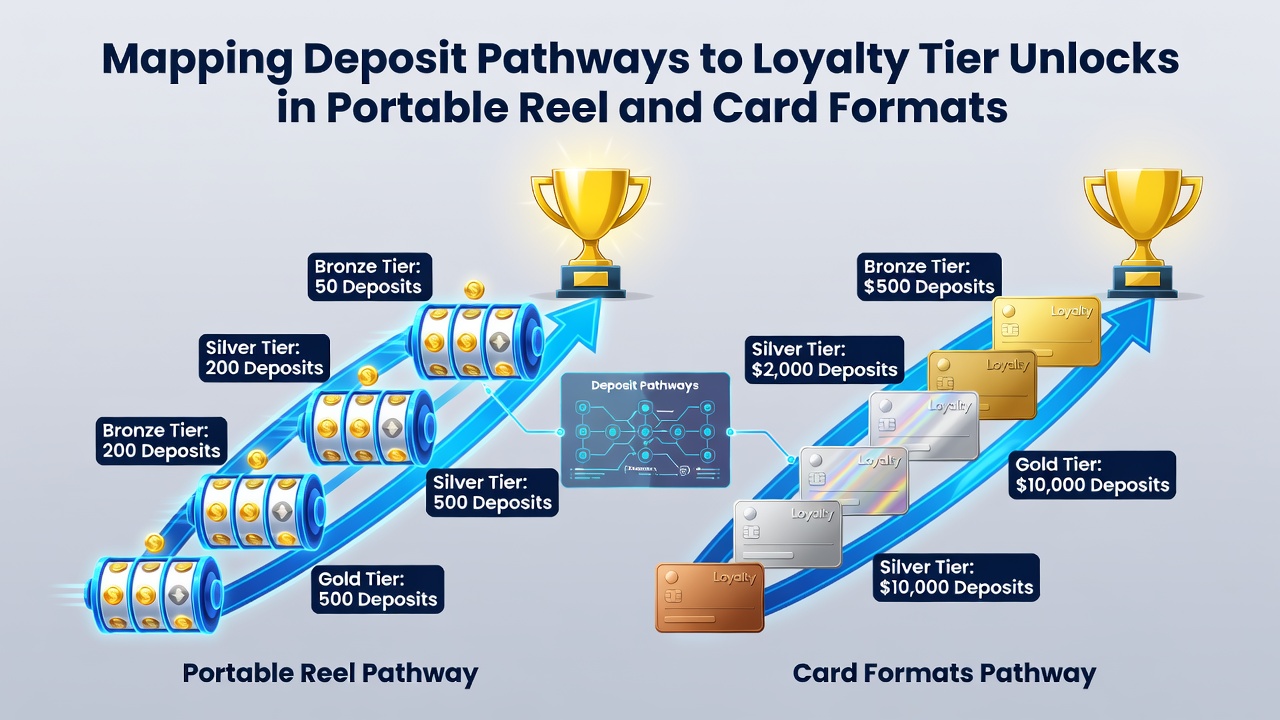
Comparative Mapping of Reel and Card Pathways
Mapping the two pathways side by side reveals that reel deposits trigger tier movement through smaller, repeated transactions while card deposits tend to produce larger, less frequent advances that concentrate progress in fewer steps. According to reports published by the American Gaming Association, the average reel player completes between four and seven deposits before reaching the first mid-tier unlock, whereas card players reach equivalent tiers after two to four deposits of higher individual value. Those who study player behavior patterns further observe that hybrid users who alternate between reel and card formats within the same account often experience accelerated tier progression because operators apply cross-category bonuses that stack when both formats contribute to monthly totals.
Technical Integration and Tracking Systems
Backend systems record each deposit event against unique player identifiers and apply rule engines that evaluate deposit size, payment method, and subsequent game selection before assigning tier points. These engines incorporate conditional logic that checks whether the deposit occurred through a portable application or a desktop interface, because mobile-specific bonuses frequently add extra multipliers unavailable on other channels. Industry organizations such as the European Gaming and Betting Association have documented that real-time tier updates now occur within seconds of deposit confirmation on most portable platforms, reducing the lag that previously existed between funding and visible tier progress.
Regional Regulatory Influences on Pathway Design
Regulatory frameworks in multiple jurisdictions shape how operators structure these pathways, with Canadian provincial regulators requiring clear disclosure of point-to-tier conversion rates while Australian state authorities emphasize responsible play limits that cap the speed of tier advancement tied to deposit volume. Data from September 2026 shows continued refinement of these rules as mobile adoption rates rise, prompting operators to adjust pathway multipliers to remain compliant across borders without disrupting player progression timelines.
Conclusion
Mapping deposit pathways to loyalty tier unlocks in portable reel and card formats demonstrates a systematic relationship between funding behavior and tier advancement that varies by game category yet follows consistent internal logic across platforms. The pathways continue to evolve as operators integrate new payment methods and refine point allocation rules to balance player engagement with regulatory expectations in different regions.