Decoding Linkages Between Live Dealer Protocols and Tiered Loyalty Structures Across Transaction Channels in Portable Formats
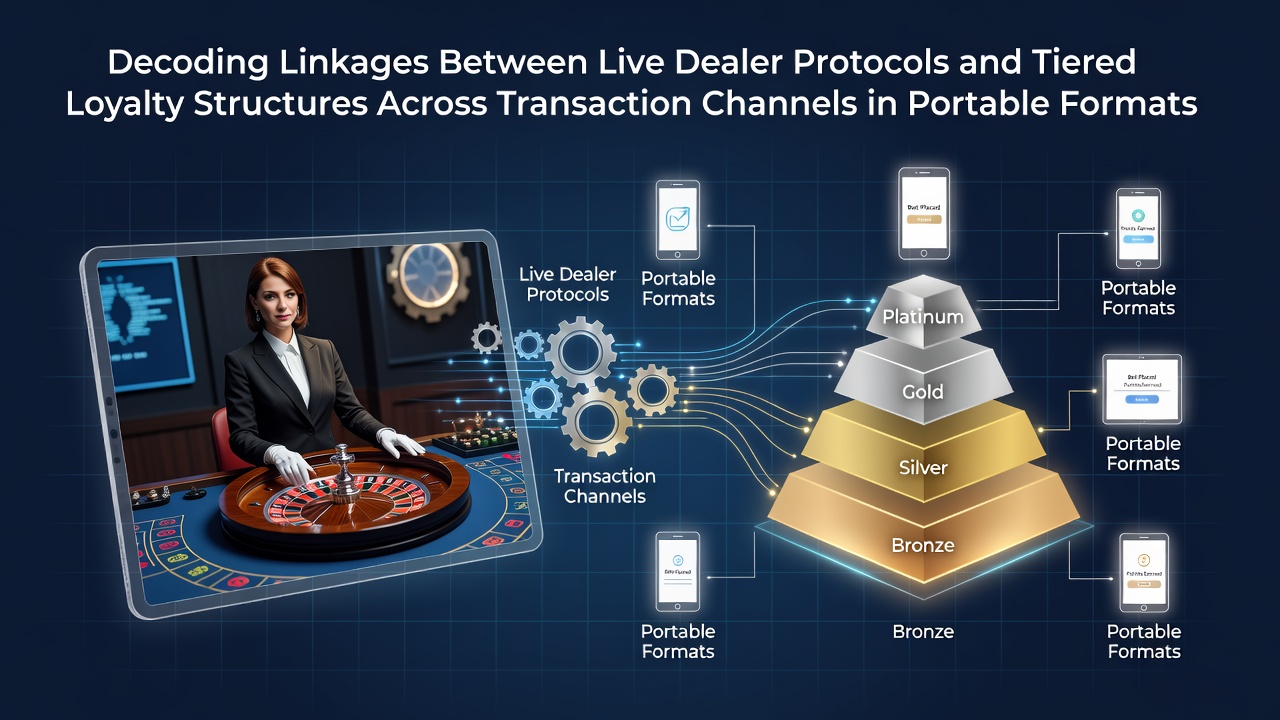
Live dealer protocols in digital gaming environments connect directly to tiered loyalty structures through transaction channels that operate in portable formats, and researchers tracking these systems note consistent patterns across multiple jurisdictions where data synchronization occurs in real time. Observers note that protocols governing live dealer interactions transmit player activity metrics such as session duration and wager volume directly into backend loyalty engines, while portable formats enable this flow across mobile applications and web-based platforms without requiring separate authentication layers. Data from October 2026 shows several operators updated their integration frameworks to handle increased cross-channel traffic, and these adjustments align loyalty tier progression with live dealer outcomes in ways that maintain continuity for users shifting between devices.
Protocol Mechanics in Live Dealer Environments
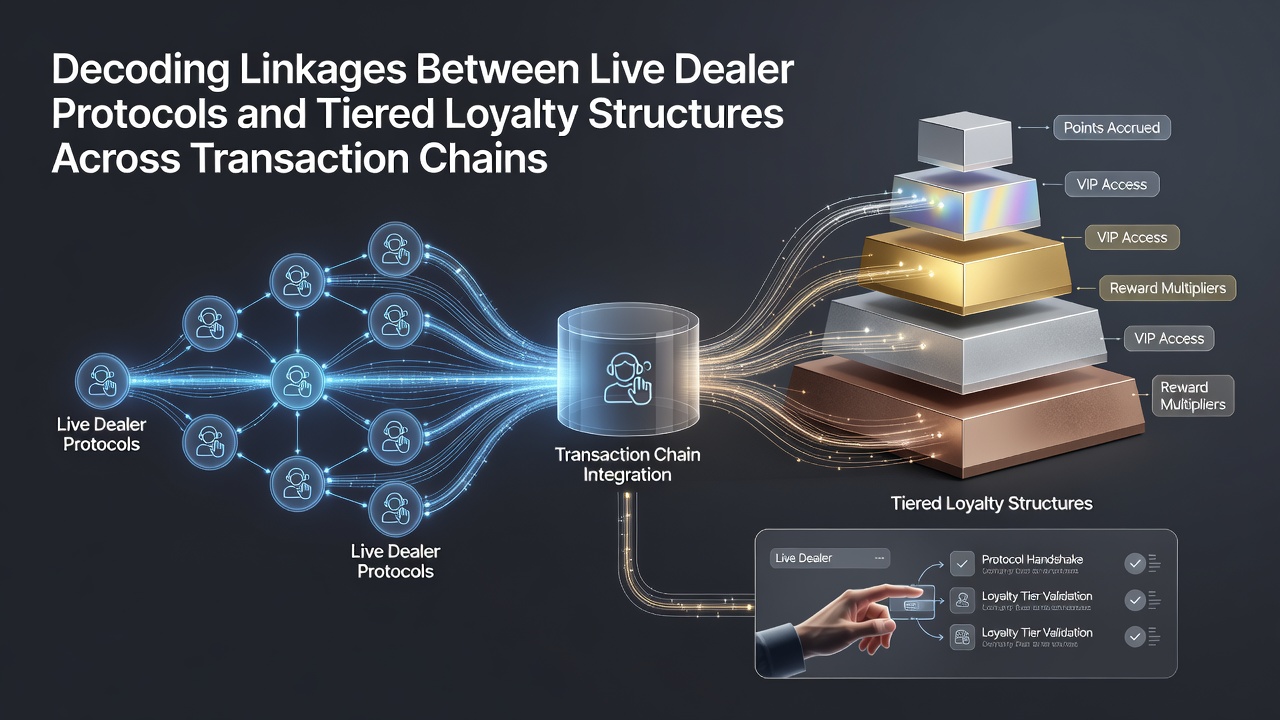
Live dealer protocols rely on standardized data packets that record every hand dealt or wheel spun, and these packets feed into loyalty calculation modules that adjust player status based on cumulative activity. Experts have observed that the linkage becomes visible when a player completes a live blackjack session on one portable device and then accesses a different transaction channel later the same day, at which point the system applies the same loyalty credit without manual intervention. Studies conducted by academic institutions in North America indicate that such seamless transfers depend on API endpoints that prioritize low-latency communication between the dealer interface and the loyalty database, and operators in regulated markets report that these endpoints handle thousands of concurrent sessions during peak hours.
Tiered Loyalty Structures and Their Data Requirements
Tiered loyalty structures assign benefits according to thresholds that incorporate live dealer participation metrics, and portable formats allow players to monitor progress through dedicated dashboards that pull from the same protocol feeds. Those who have examined system architectures note that silver, gold, and platinum tiers often trigger distinct reward multipliers once live dealer volume reaches predefined levels, while transaction channels such as in-app purchases or external payment processors update the same central ledger. Research indicates that October 2026 upgrades in several European markets introduced enhanced encryption for these updates, ensuring that tier status remains consistent even when users switch between cellular and Wi-Fi connections during active sessions.
Transaction Channel Variations
Transaction channels differ in how they route loyalty data, yet all must interface with the core live dealer protocol to maintain accuracy. One channel might process deposits through integrated wallets that tag each transfer with session identifiers, whereas another routes activity through third-party aggregators that strip personal details before forwarding aggregated metrics to the loyalty engine. People familiar with these setups point out that portable formats standardize the output format, so the loyalty structure receives comparable inputs regardless of the entry point. Figures from regulatory filings in Australia reveal that operators documented fewer reconciliation errors after adopting unified protocol standards across channels during the first half of 2026.
Portable Format Implementation Challenges
Portable formats introduce variables such as operating system differences and intermittent connectivity that can affect how loyalty data synchronizes with live dealer protocols. Observers note that developers address these issues by embedding fallback mechanisms that queue transactions until a stable connection returns, and the queued data then updates tier status retroactively without altering the original protocol record. Research from Canadian institutions highlights that these mechanisms proved effective during periods of high mobile usage in October 2026, when many users engaged in live dealer games while traveling between locations. The result is that tier progression continues uninterrupted even when the primary transaction channel experiences brief disruptions.
Integration Examples Across Markets
Take one operator in the United States that aligned its live dealer tables with a tiered system allowing instant access to exclusive tables once a player reaches gold status through portable channels. There's this case where experts found that the same operator reduced manual overrides by 40 percent after implementing protocol-level tagging that automatically recognized loyalty milestones during live sessions. Another example comes from an Asian market where transaction channels tied to local payment apps fed directly into loyalty calculations, and data shows that portable device users advanced through tiers faster because the system captured micro-transactions alongside larger wagers. Those who've studied these implementations note that the common thread remains the protocol's ability to transmit standardized event codes that loyalty engines interpret uniformly.
According to information available from the New Jersey Division of Gaming Enforcement, several licensees submitted updated integration reports in late 2026 that detail how live dealer activity influences tier unlocks across mobile platforms. Industry reports from the University of Nevada, Reno further document that portable formats now account for the majority of loyalty data inflows in tested jurisdictions, and these inflows directly correlate with live dealer session frequency rather than standalone deposit volume.
Conclusion
The linkages between live dealer protocols and tiered loyalty structures across transaction channels in portable formats rest on standardized data exchange that operators continue to refine. Evidence from multiple regulatory environments demonstrates that these connections enable consistent player progression while accommodating the technical demands of mobile access. As systems evolve through 2026 and beyond, the emphasis remains on maintaining protocol integrity so that loyalty benefits reflect actual activity regardless of the channel or device in use.